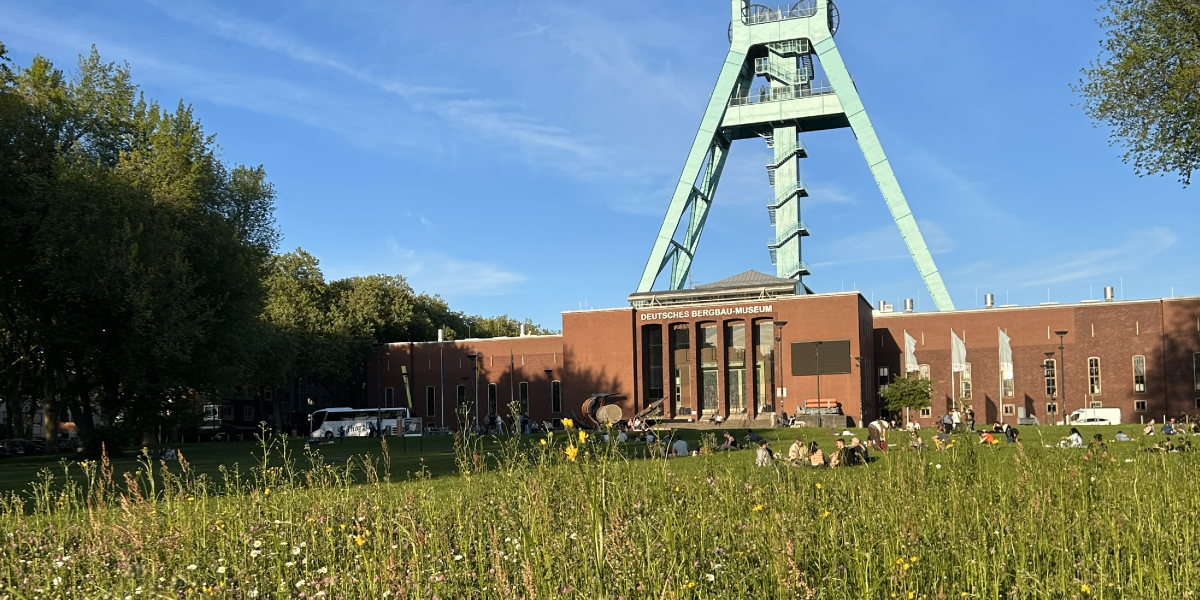
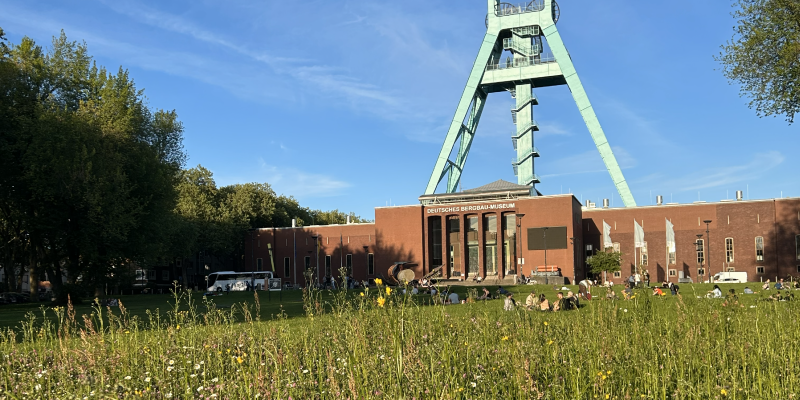
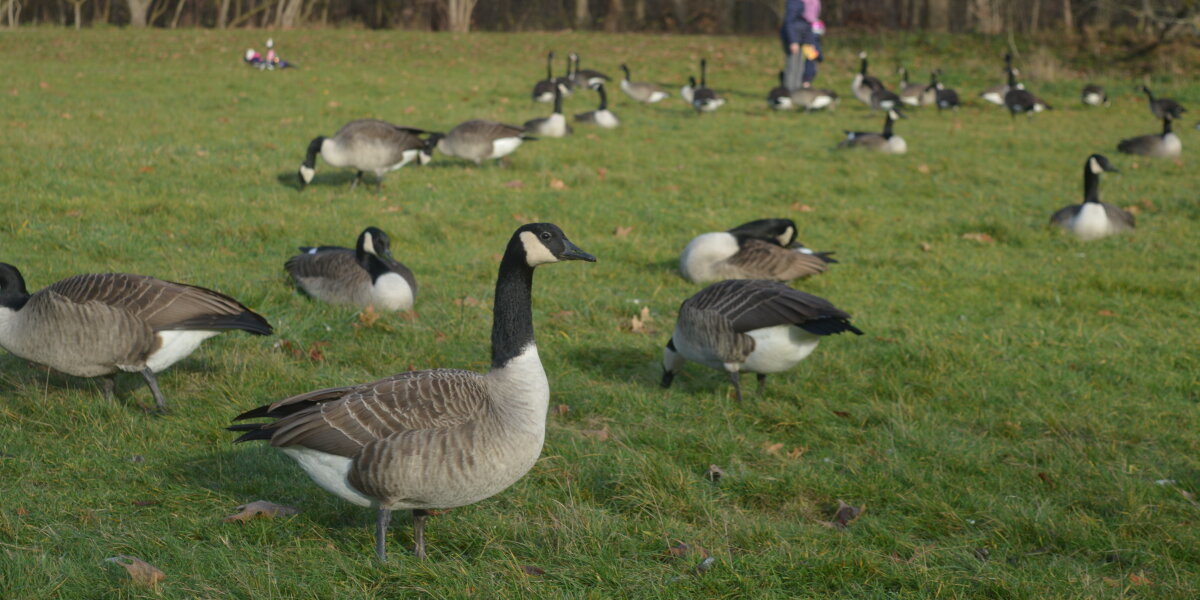
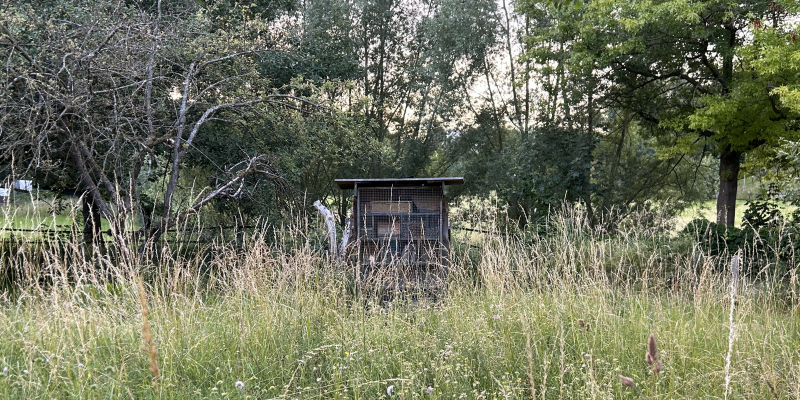
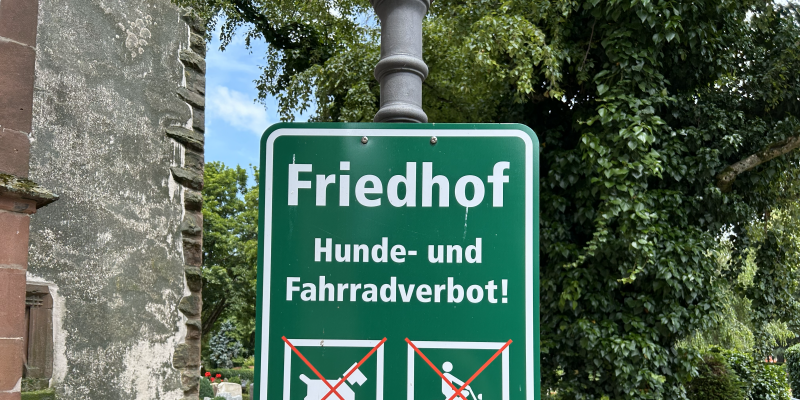
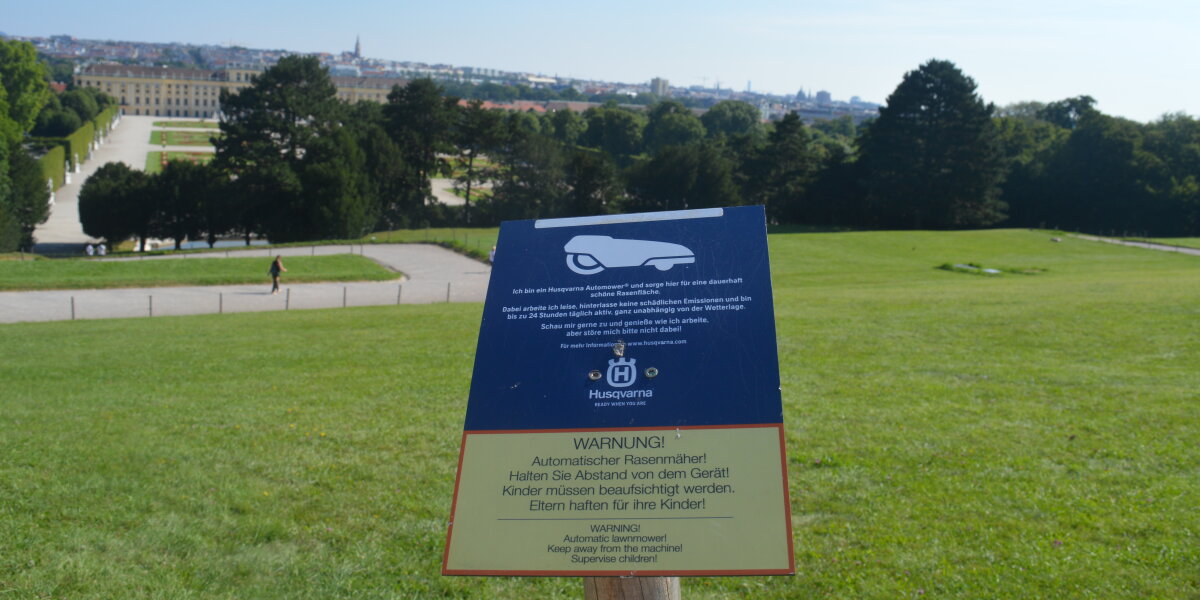
The project ILUM (Interdisciplinary Learning for Urban Human–Environment Relations), selected and funded by the Foundation for Innovation in Higher Education Teaching (Stiftung Innovation in der Hochschullehre) within the programme “Freiraum 2026”, pursues the goal of providing geography students with interdisciplinary training and imparting competencies for the sustainable transformation of urban spaces. The focus is on human–environment interactions in urban green spaces in the Ruhr region. In a practice-oriented, cross-semester teaching and learning format, students explore socio-ecological problems in urban (green) spaces using methods from the natural and social sciences and, together with stakeholders (green space managers, park visitors, etc.), develop integrated solution approaches.
Project Info
Project Period: 2026 - 2028
Team:Geography education has so far often been separated between physical geography and human geography. This division makes it difficult for students to understand and address complex environmental issues holistically, a key prerequisite for sustainably shaping urban spaces. ILUM addresses this challenge by bringing together students from diverse geographical backgrounds.
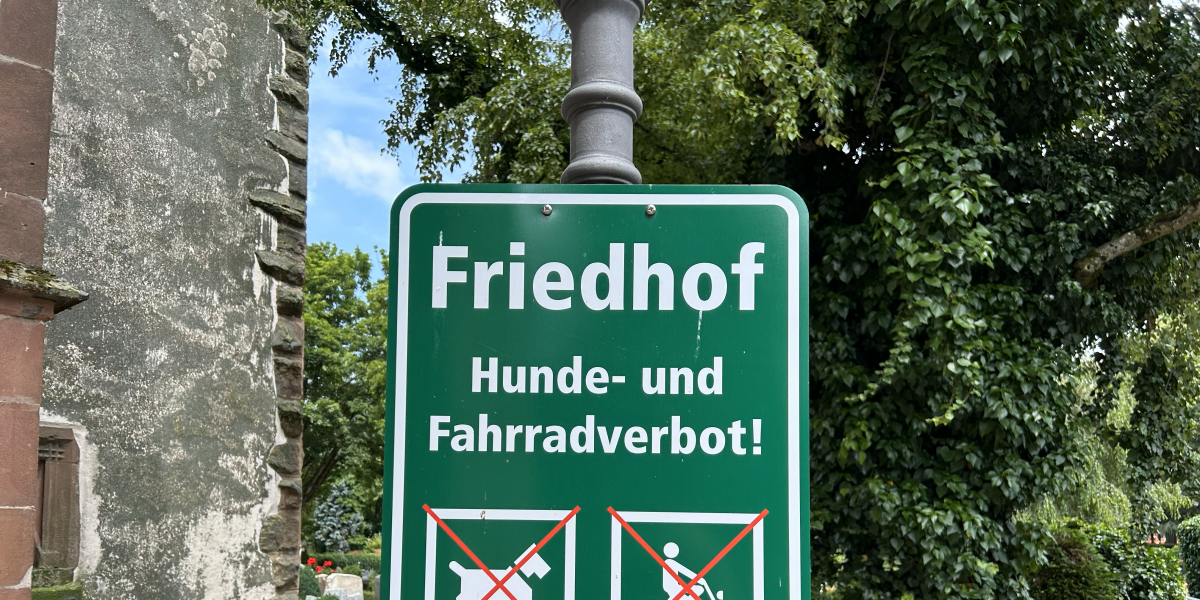
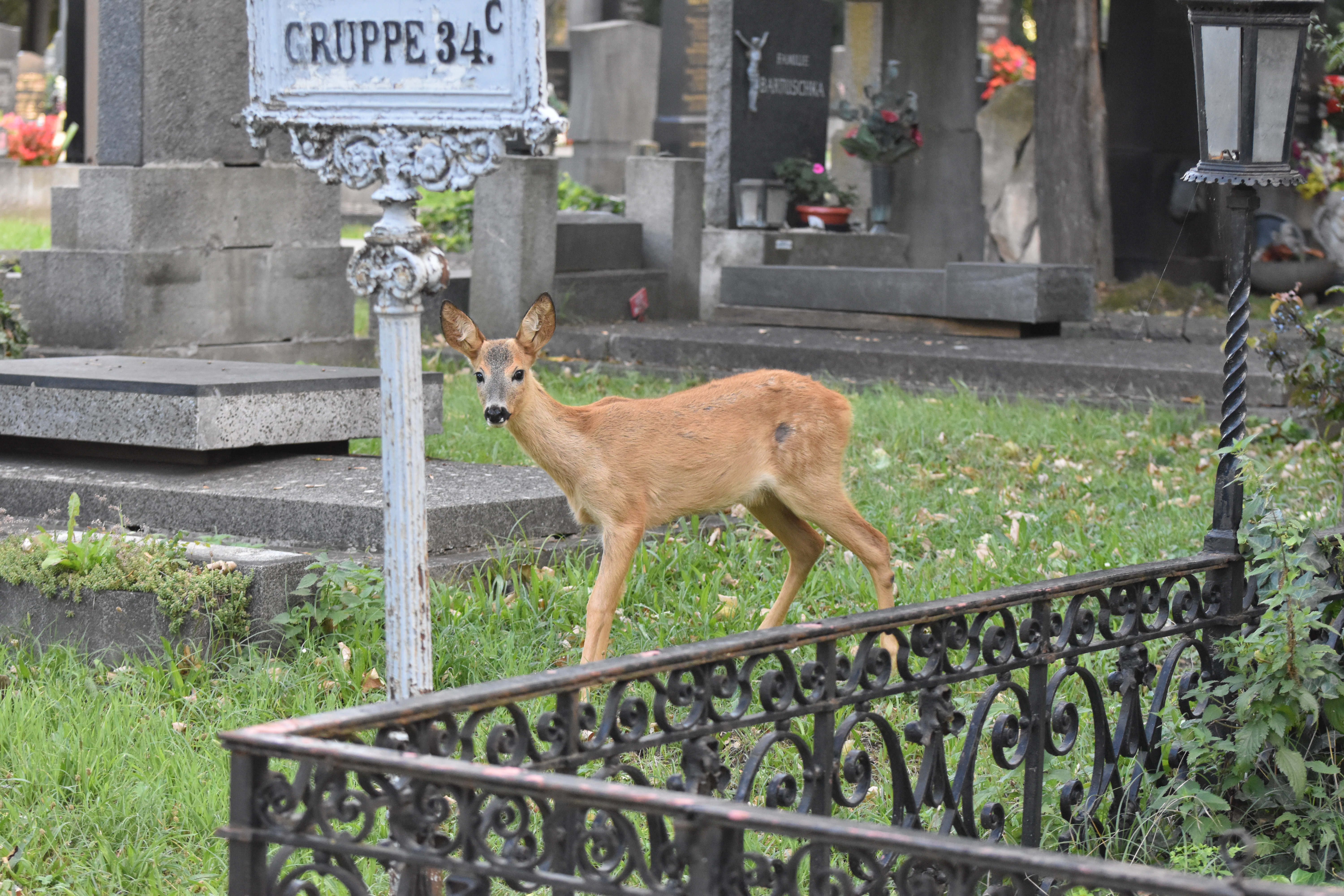
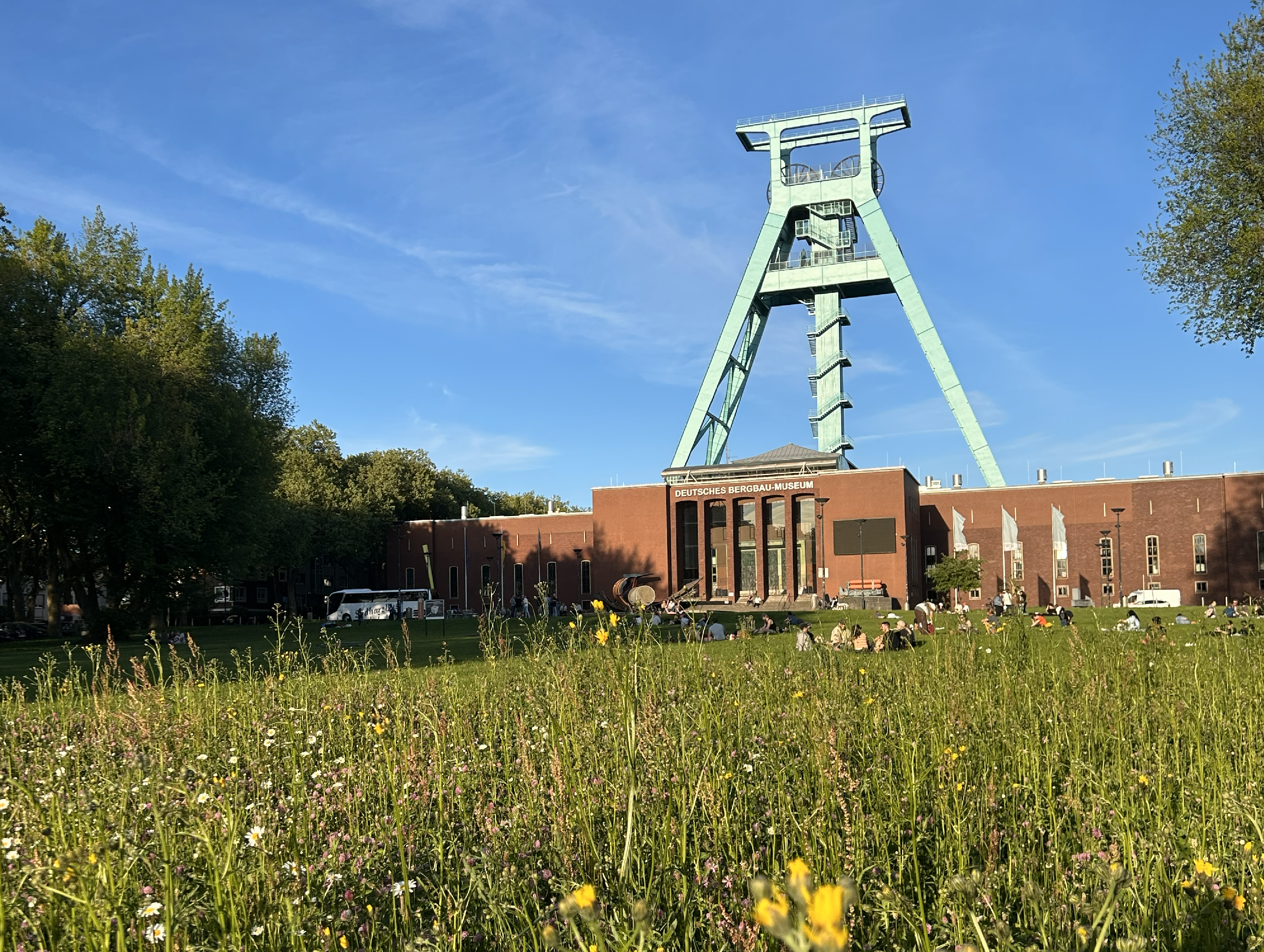
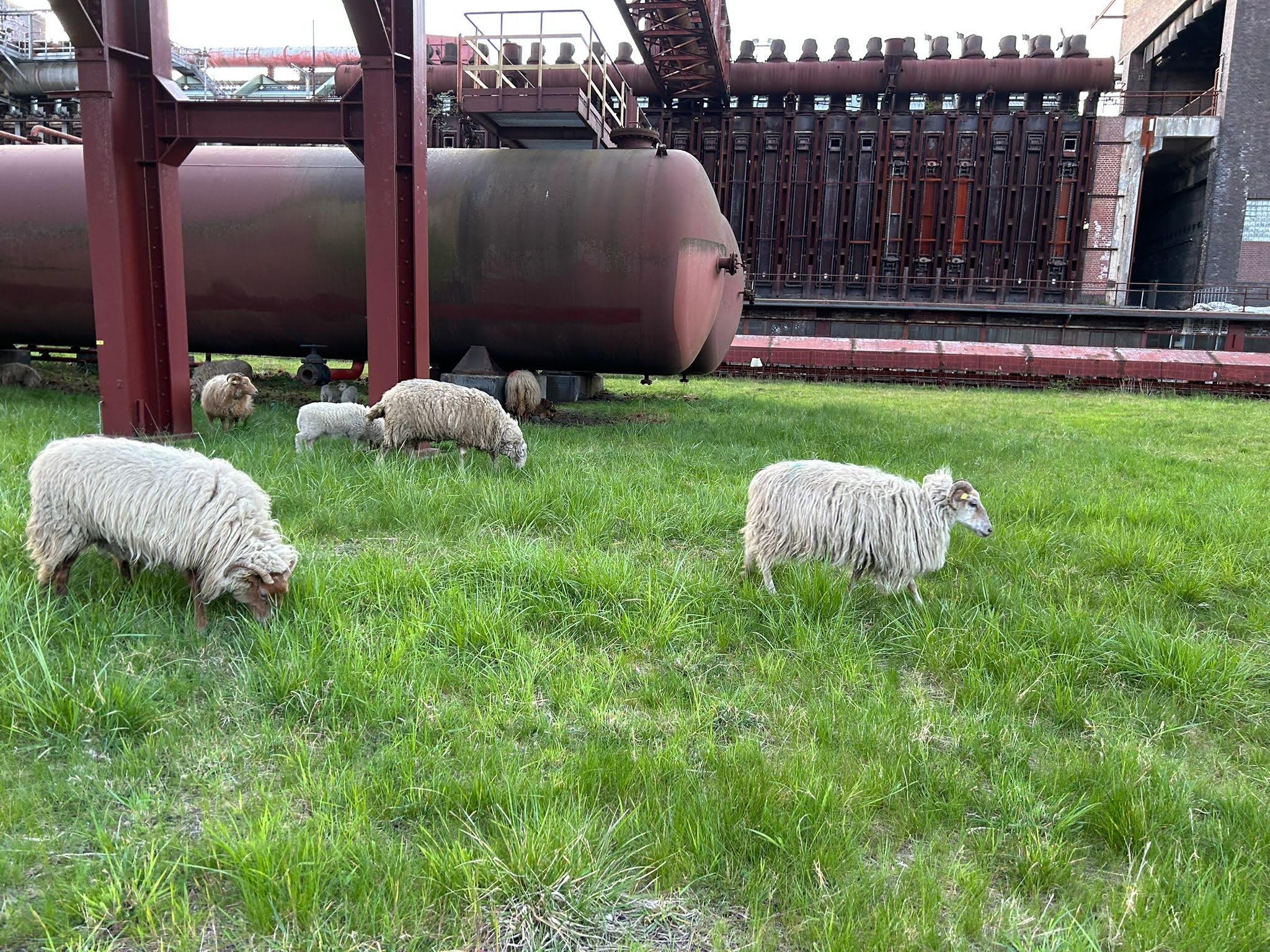
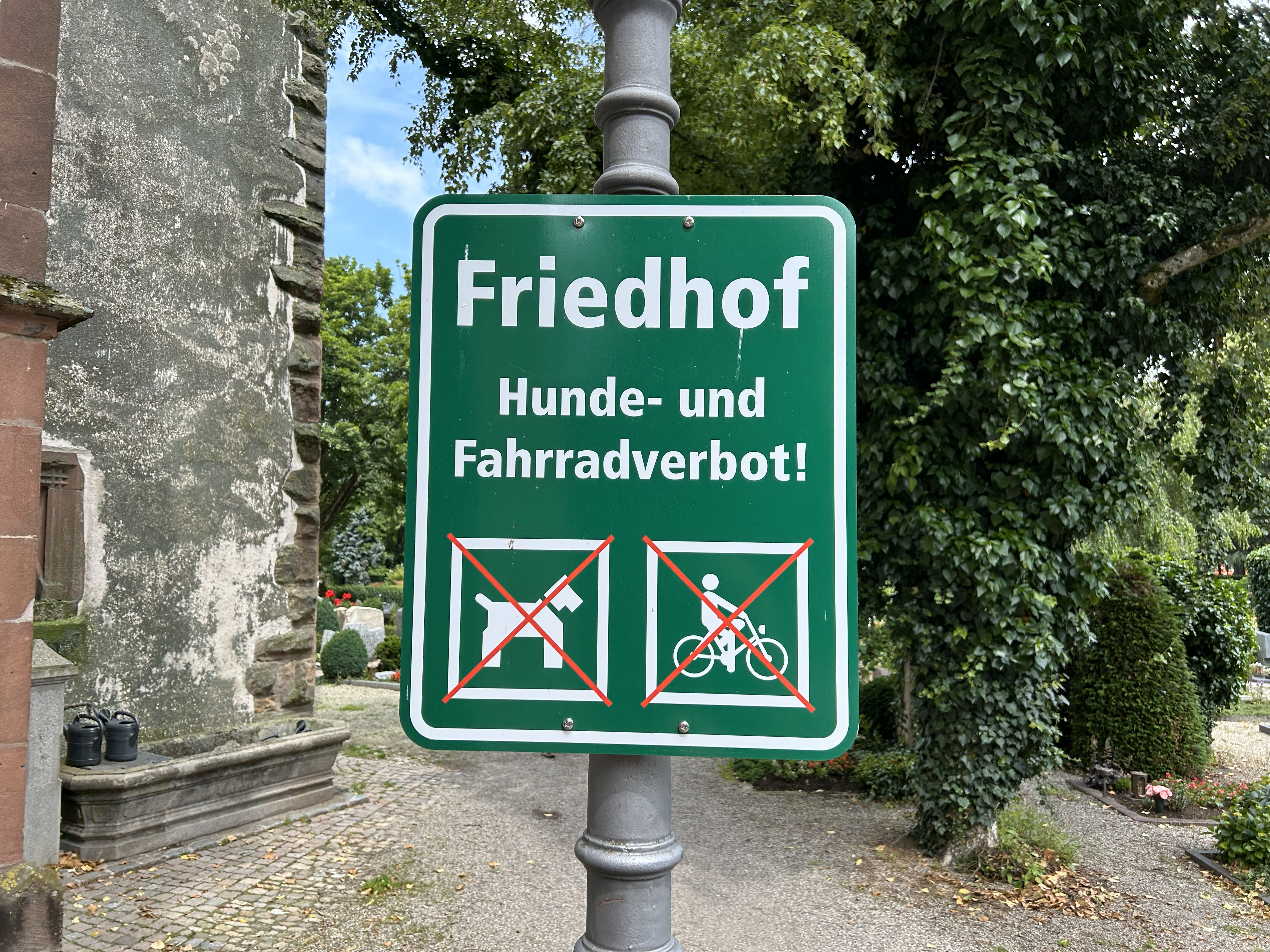
The Ruhr area serves as a practical study region: as a densely populated area with a history of industrial use, it offers numerous examples of transformation into urban green spaces, from revitalized cemeteries to industrial nature sites. Within ILUM, students develop the ability to grasp complex interactions between social and ecological systems by applying scientific methods in practice and reflecting on results in exchange with stakeholders. The goal is to enable learners to develop integrative perspectives on urban environmental issues and to formulate sustainable transformation impulses for both urban society and biodiversity.
1 / 7
2 / 7
3 / 7
4 / 7
5 / 7
6 / 7
7 / 7
In ILUM, students go through the entire learning-research cycle and are active co-creators of the project. They learn key social and natural science methods ranging from interviews and surveys to ecological assessments using cameras and measurement devices and apply them directly in urban green spaces of the Ruhr area. They investigate parks, cemeteries, or industrial-natural spaces, record ecological and social relationships, and develop recommendations for action. Results are discussed and presented in exchange with stakeholders. Finally, experiences and findings are documented and disseminated, so that ILUM can serve as a blueprint for interdisciplinary learning and sustainable urban development at universities.

Copyright © Geographical Institute 2026
Last update: Jan 27, 2026