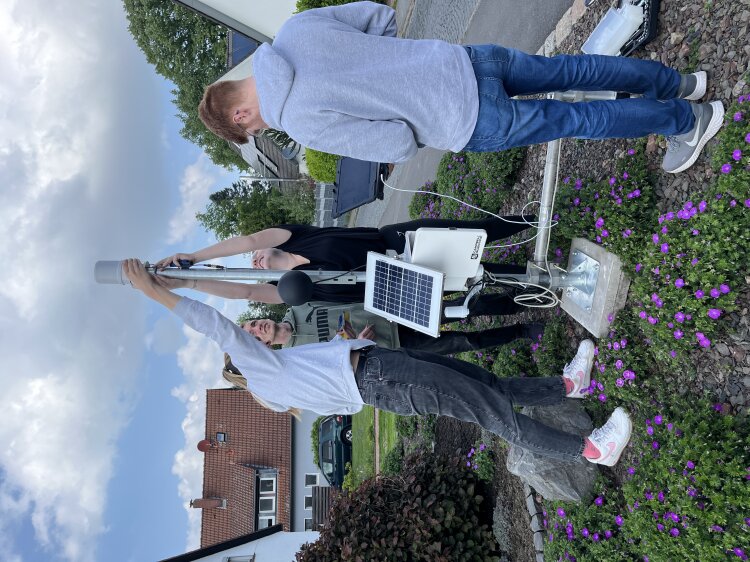
The two-semester study project Urban Environmental Problems in the B.Sc. Geography program focuses on the recording, analysis, and evaluation of environmental challenges in urban areas. Due to the high density of anthropogenic activities, cities are particularly affected by environmental stressors such as air pollution, noise, heat, or limited access to green spaces. At the same time, especially vulnerable population groups are concentrated in urban areas, including elderly people, children, and socially disadvantaged households.
The actual spatial and temporal distribution of these environmental burdens is often insufficiently understood. Particularly in highly affected neighborhoods, data at the required spatial resolution are frequently lacking. This provides an important basis for addressing questions of environmental justice and sustainable urban development.
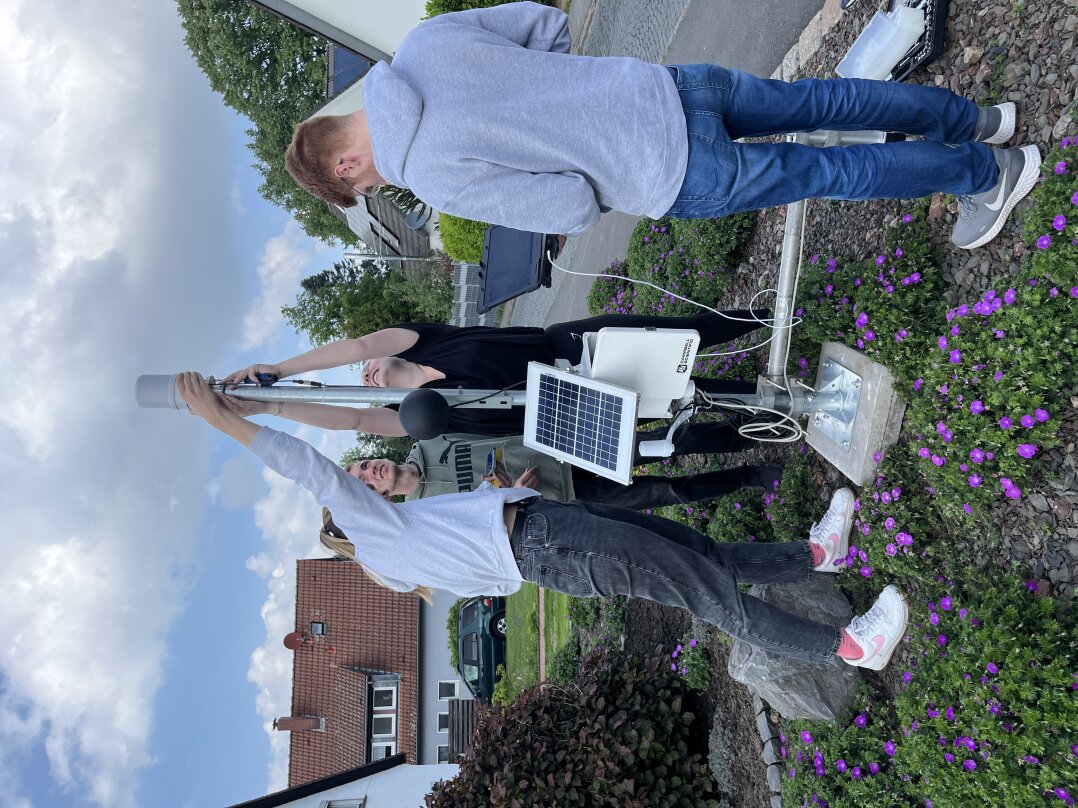
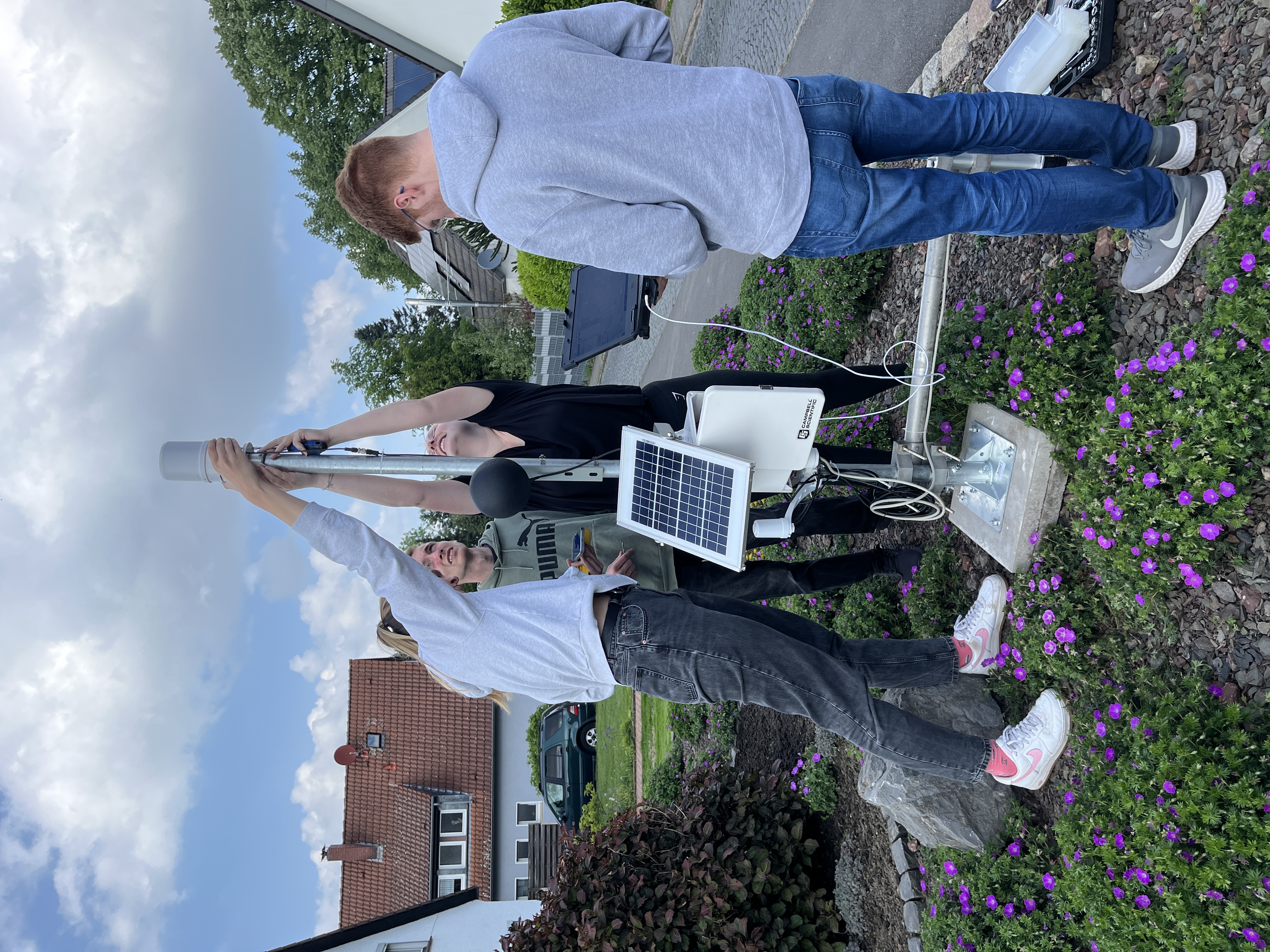
During the winter semester, the focus lies on theoretical foundations, project planning, and methodological approaches. In the summer semester, students carry out the practical implementation through measurements in urban environments and a comprehensive analysis of the collected data.
As part of this study project, students design and conduct their own measurement campaigns on urban environmental problems. Working in groups, they develop an independent project ranging from the research question and data collection to the analysis and presentation of results.

Copyright © Geographical Institute 2026
Last update: Jun 08, 2026