
Benjamin Bechtel holds a professorship in Urban Climatology at the Ruhr-University Bochum, Germany and is the vice director of the Institute of Geography. Before he was Research Associate with the Cluster of Excellence CliSAP, University of Hamburg. His research interests include crowd sourcing and urban remote sensing, in particular the characterization of urban surfaces for applications in urban climatology and beyond. Benjamin Bechtel received the 2021 Timothy Oke Award of the International Association for Urban Climate and the 2013 dissertation award for physical geography in Germany. He serves as the Secretary of the International Association for Urban Climate, Section Editor at PLOS Climate and Associate Editor for Frontiers in Remote Sensing, Advisory board member of the Heidelberg Institute for Geoinformation Technology, former work group leader in the COST action FAIRNESS, member of VDI guideline commissions, and as a reviewer for WMO, international journals, and funding agencies.
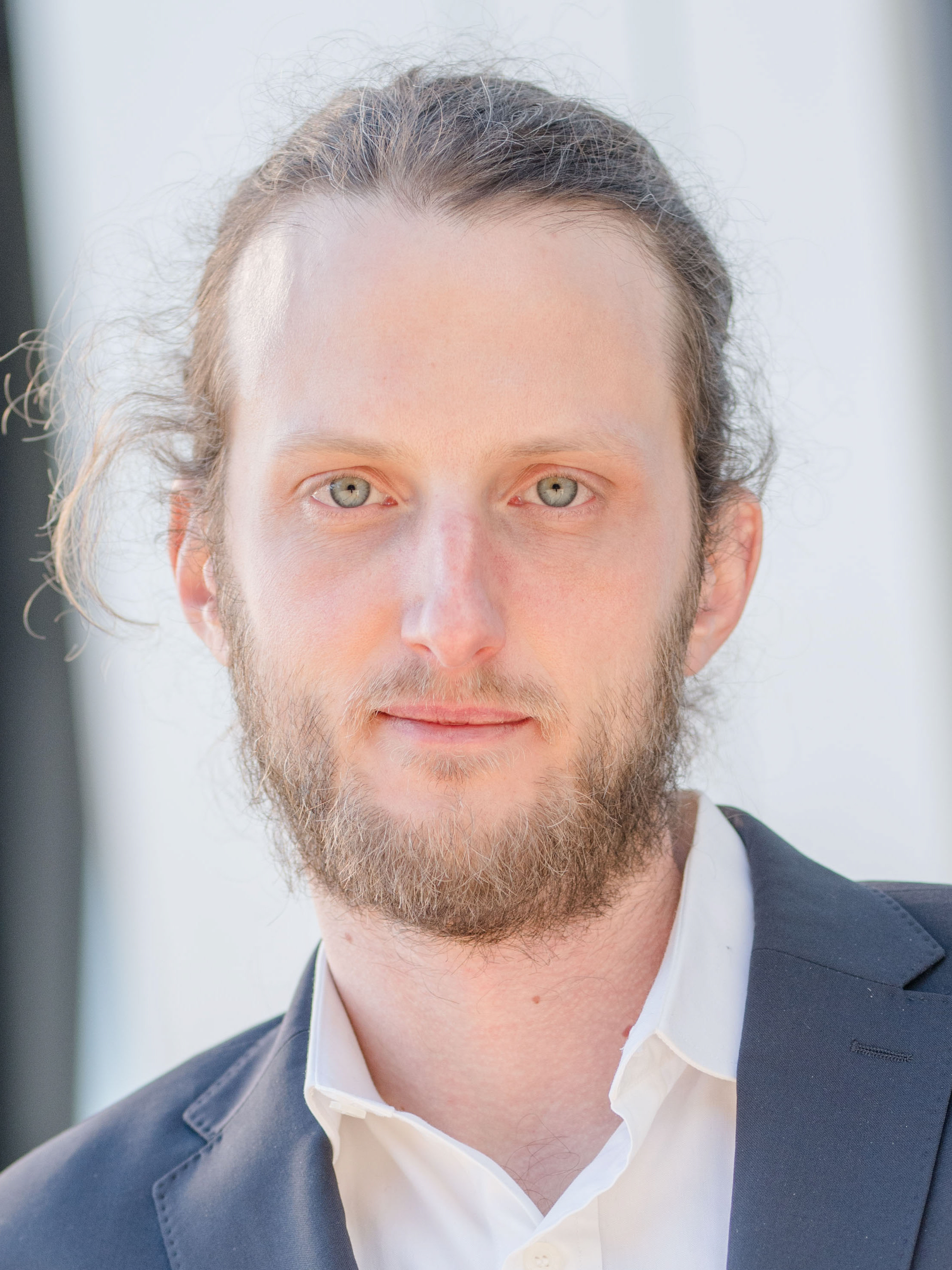
Ferdinand Briegel is a postdoctoral researcher at the Karlsruhe Institute of Technology (KIT) in Germany. His research focuses on modelling the outdoor urban heat stress experienced by pedestrians at high resolution, with a particular emphasis on machine and deep learning methods. He is also interested in hybrid modelling frameworks that integrate numerical and statistical approaches in order to better represent processes from the mesoscale to the microscale. He completed his PhD at the Chair of Environmental Meteorology at the University of Freiburg in Germany. For his doctoral thesis, he developed a multiscale deep learning model to predict human thermal stress in complex urban environments. By coupling physical-numerical microscale models and approximating them with deep-learning architectures, he created a flexible and rapid tool for analysing (future) urban climates at a high resolution. This tool can now be used for various applications, such as evaluating remote-sensing data, assessing densification scenarios, or developing urban heat warning systems.
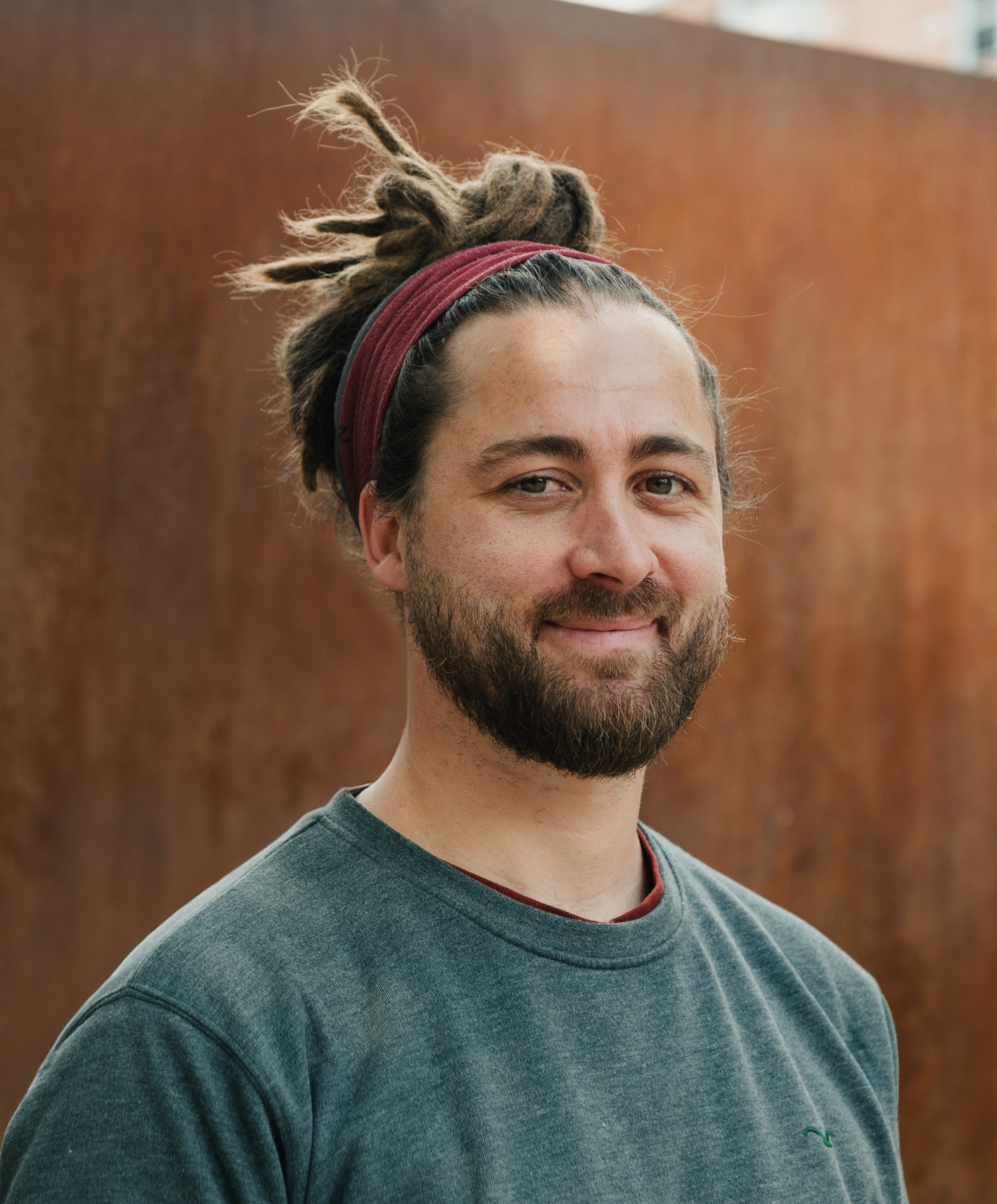
Lesley De Cruz is an assistant professor leading a joint research team on AI for weather and climate modelling at the Royal Meteorological Institute of Belgium (RMI) and Vrije Universiteit Brussel (VUB). She holds a PhD in Physics from Ghent University and currently coordinates the RMI’s Seamless Prediction Programme. Her work focuses on delivering high-resolution weather forecasts by leveraging innovative nowcasting, probabilistic modelling, and artificial intelligence. Her research interests include atmospheric predictability, data assimilation, and the application of machine learning for short-term weather prediction and urban climate modelling. She plays a leading role in the AI and nowcasting activities of the EUMETNET consortium and is committed to open-source scientific software development. Her current research aims to protect society from climate extremes through the co-creation of next-generation impact-based warning systems. Deeply committed to science communication and diversity, she led the development of the LEGO Urban Climate Game and received the Innoviris Women Award in Technology and Science (WATS) in 2025.
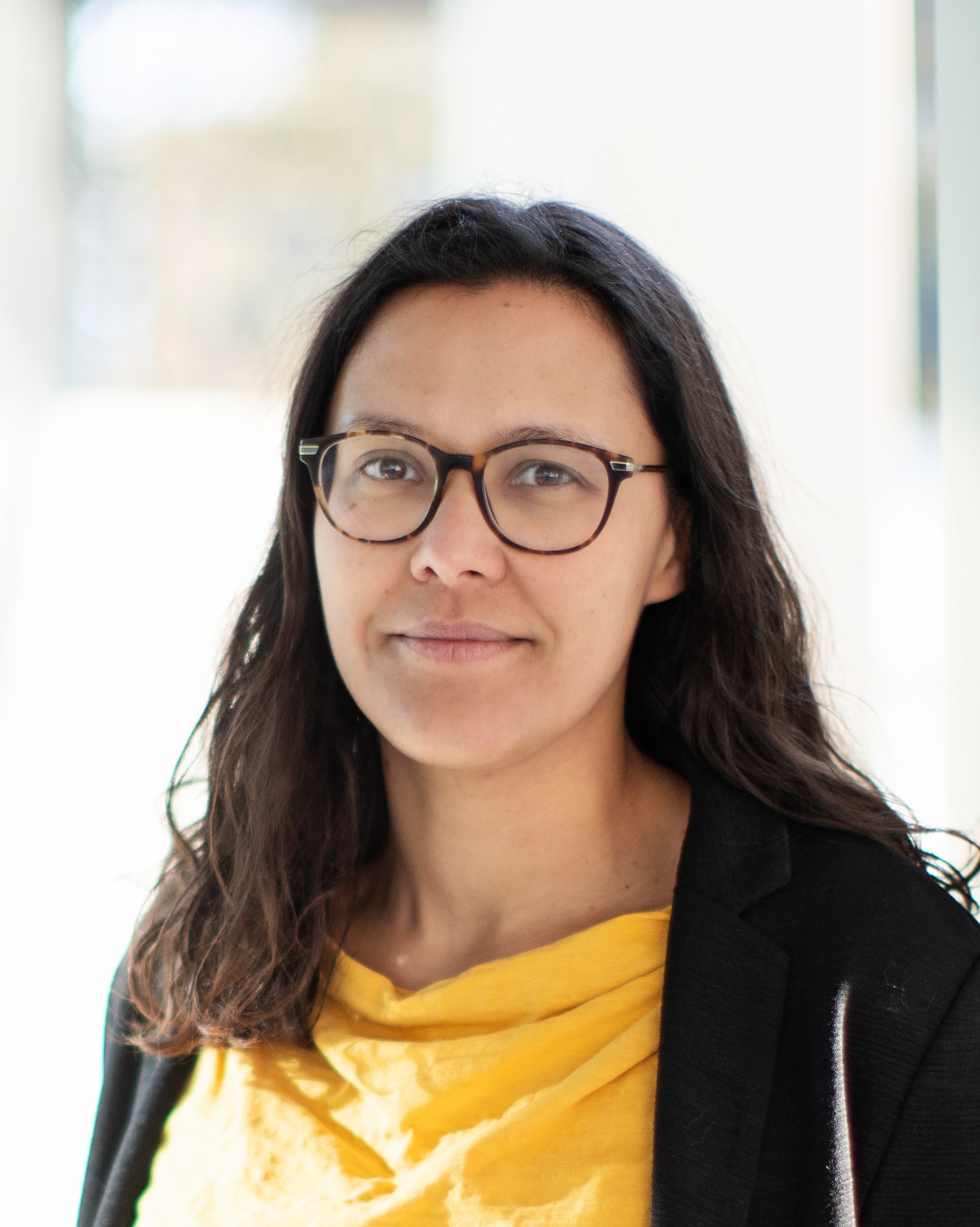
Matthias Demuzere is an urban climate resilience specialist with the World Bank’s Global Program on Urban Heat Resilience, affiliated with Ghent University (Belgium). He is also the founder and principal scientist at B-Kode, a Belgian-based research-driven SME focused on sustainable urban analytics. He brings over 20 years of experience in Earth observation, citizen science, process-based climate modeling, and machine learning, with a focus on assessing and mitigating urban heat risks. Matthias holds a PhD from KU Leuven (Belgium) and supports projects worldwide that promote nature-based solutions, heat action planning, and data-driven adaptation strategies, working closely with cities, communities, and international partners to translate science into actionable resilience planning.
Dr Arjan Droste is an assistant professor in urban hydrometeorology at Delft University of Technology, the Netherlands. He obtained his PhD degree at Wageningen University, with a thesis titled Understanding the Urban Atmosphere through Conceptual Modelling and Opportunistic Sensing. His work focuses on the observation and analysis of urban atmospheric processes through novel measurement techniques, including crowdsourced data and opportunistic sensing networks. He is particularly interested in how these emerging data sources can enhance our understanding of urban climate variability, surface–atmosphere interactions, and micro-scale weather phenomena. His broader research connects environmental sensing, data quality assessment, and the integration of citizen science into formal meteorological practice.
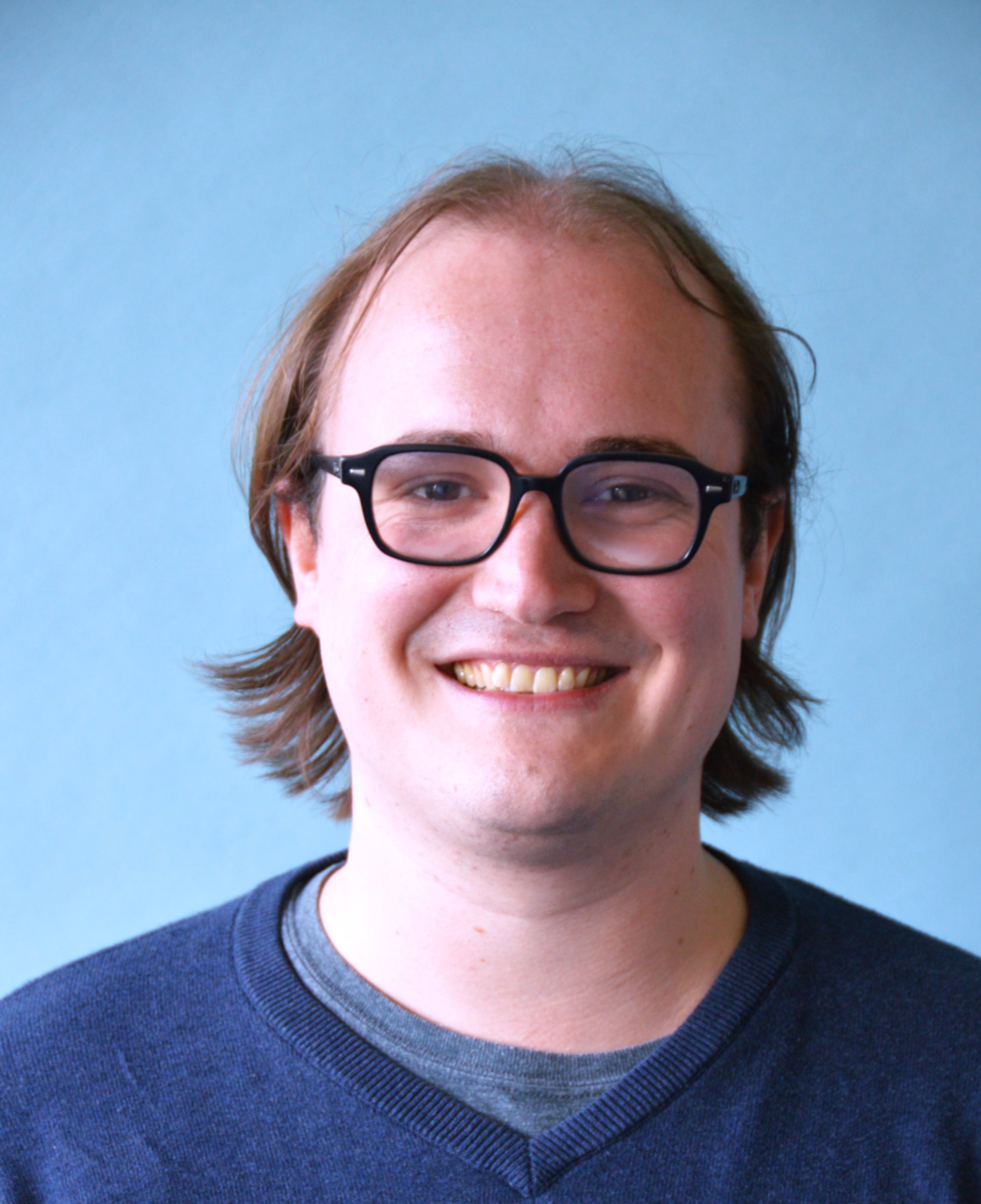
Daniel Fenner is a Visiting Professor at the Chair of Climatology at Technische Universität Berlin (Germany). Before that, he worked as a PostDoc researcher at the Chair of Environmental Meteorology at the University of Freiburg (Germany), where he conducted an extensive observational campaign (urbisphere-Berlin) and investigated various aspects of the impact of the city on the atmospheric boundary layer with ground-based (remote-sensing) instruments. Prior, he was a PostDoc at the Ruhr University Bochum (Germany), further developing quality-control procedures for crowdsourced data from citizen weather stations and crowdsourcing of such data. He received his PhD at the Chair of Climatology at Technische Universität Berlin, studying urban thermal climate conditions, heatwaves and their interactions. His research interests and expertise lie in urban atmospheric conditions on various spatial and temporal scales, urban boundary layer dynamics, crowdsourcing, urban heat island studies, and urban climate characteristics during heatwaves.
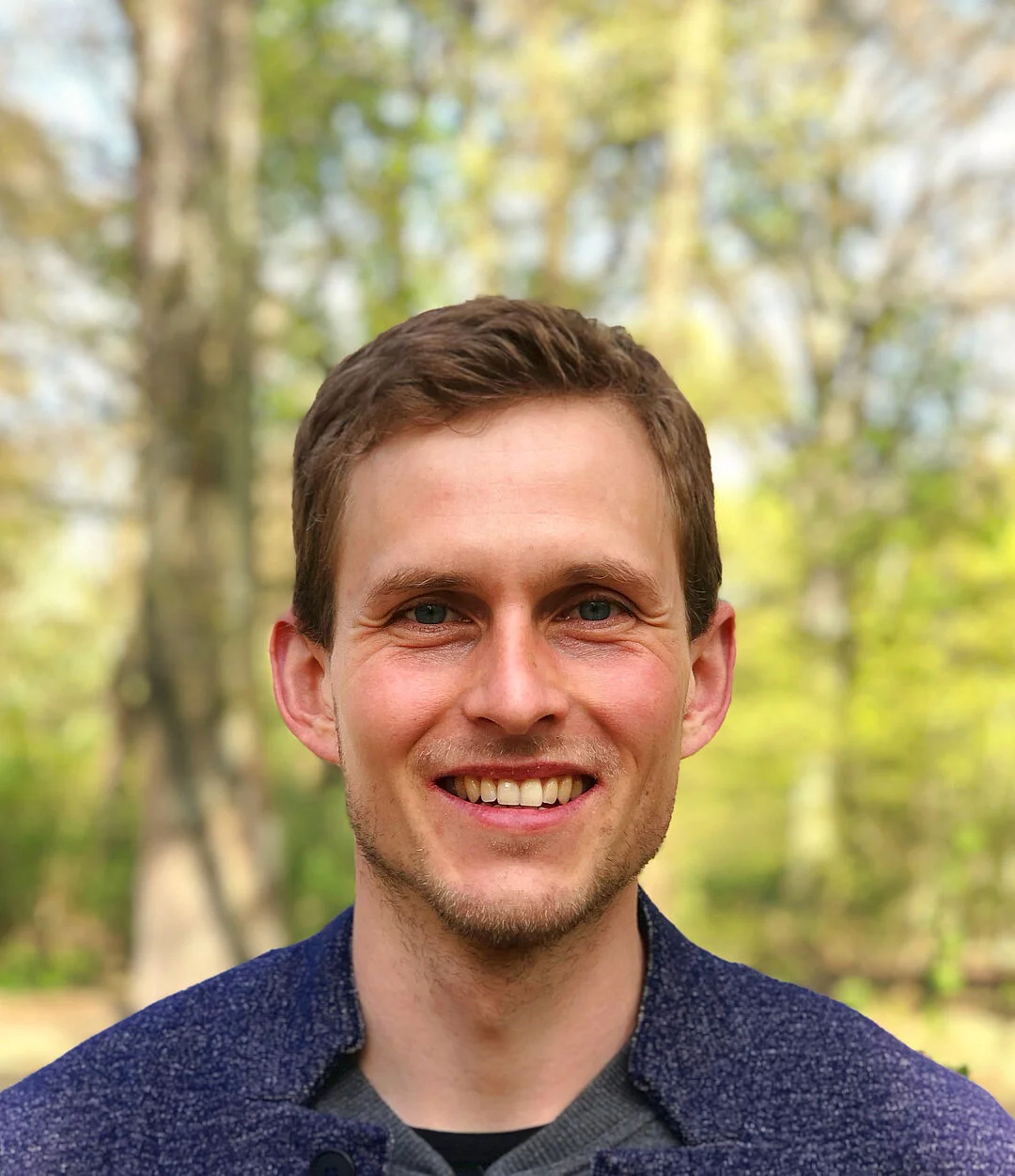
Simone Kotthaus is Assistant Professor at École Polytechnique in Paris, France. Her research focuses on the complex dynamics of the urban atmosphere and their impact on critical risk factors, such as heat and air pollution. Simone Kotthaus is highly engaged in interdisciplinary projects and aims to foster knowledge-exchange around the topic of urban greening for the support city resilience. Using a range of measurement techniques, her work on novel retrieval methods continues to result in advanced observational data products and tools that are of high value for process studies, the evaluation of numerical simulations, and teaching activities. Simone Kotthaus received the Timothy Oke Award from the International Association for Urban Climate in 2024 for her important contributions to observing and understanding the urban boundary layer.
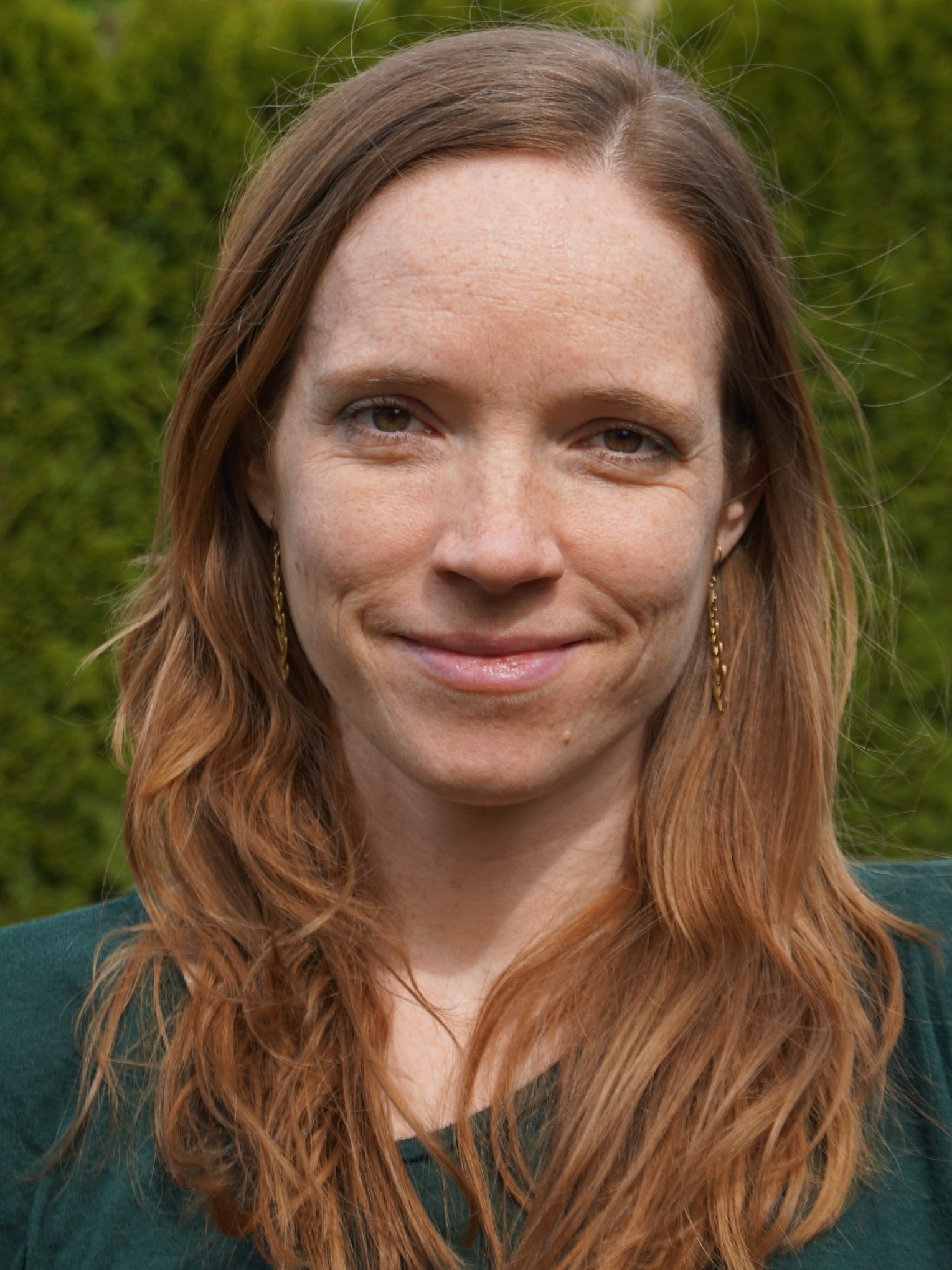
Ariane Middel is an Associate Professor in The GAME School and the School of Geographical Sciences and Urban Planning at Arizona State University. Her research focuses on how urban form and design affect heat and human thermal exposure in cities. Dr. Middel has advanced urban climate science through applied and solutions-oriented research using unconventional field methods such as MaRTy (a mobile weather station), microclimate simulations, and human-centric modeling. She also pioneered urban climate informatics, a revolutionary research domain leveraging sensors, big data, and artificial intelligence to understand and respond to urban climate challenges. Dr. Middel is the President of the International Association for Urban Climate (IAUC) and serves on the “Built Environment” Board of the American Meteorological Society. At Arizona State University, she directs the Sensable Heatscapes and Digital Environments (SHaDE) Lab.
Gerald Mills is a Professor of Physical Geography at the School of Geography, University College Dublin (Ireland). Trained in climatology and GIS at UCD and The Ohio State University, his research focuses on urban climatology, with extensive experience in modelling and measuring urban microclimates. His work addresses the transfer of urban climate knowledge into planning and design practice, including urban greening and co-creation approaches. Gerald Mills has been closely involved with the International Association for Urban Climate (IAUC) since its foundation, serving as President and Treasurer, editing the IAUC newsletter Urban News, and organizing the 8th International Conference on Urban Climates (ICUC8) in Dublin (2012). He has also worked extensively with the World Meteorological Organization, including training activities and the development of Integrated Urban Services. Much of his recent research is linked to the WUDAPT project, contributing to global urban climate data and Local Climate Zone mapping. He received the IAUC Luke Howard Award in 2021 and is a Review Editor for the IPCC Special Report on Cities and Climate Change.
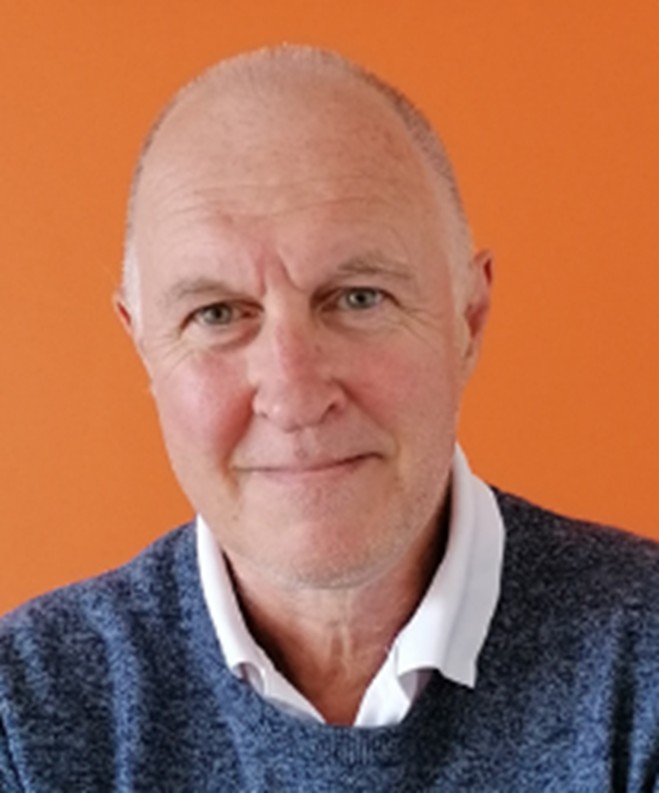
Dr. Negin Nazarian is a Scientia Associate Professor at the University of New South Wales (UNSW Sydney), where she leads the Climate-Resilient Cities Lab. As an urban climatologist, she focuses on the complex interactions between the built environment and climate, with particular attention to heat and wind impacts on people. Her research advances high-resolution urban climate modeling, refines urban canopy parameterizations for regional climate models using physical and AI-based approaches, and leverages urban climate informatics to better understand human exposure to climate challenges. Dr. Nazarian serves as Deputy Director of the ARC Centre of Excellence for the Weather of the 21st Century, chairs the American Meteorological Society’s Board on Urban Environment, and is a Lead Author for the IPCC Special Report on Climate Change and Cities in the Seventh Assessment Report (AR7).
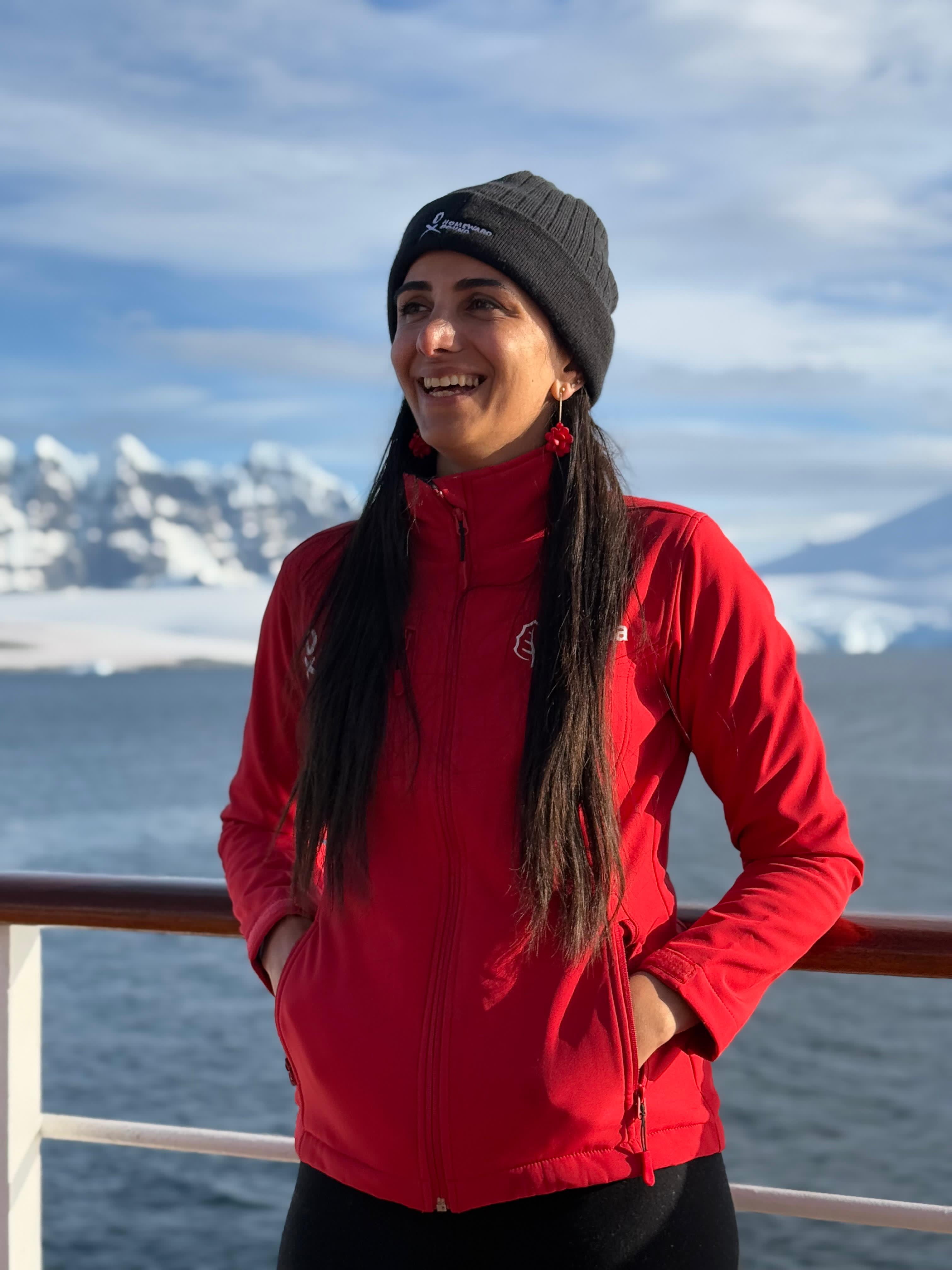
Dr.-Ing. Panagiotis Sismanidis is a research associate at Ruhr University Bochum and the National Observatory of Athens, working at the interface of thermal remote sensing and urban climatology. His research focuses on the analysis of Land Surface Temperature (LST) time series derived from satellite and airborne observations. His interests include statistical downscaling, the characterization of LST climatology, and trend analysis. He has led the urban case study within ESA's Climate Change Initiative project on LST and has contributed to several multidisciplinary research projects funded by the European Space Agency and the European Commission, with a focus on urban climate adaptation and mitigation, heat–health interactions, and disaster risk reduction. His work aims to improve the usability of thermal satellite data for urban climate applications.
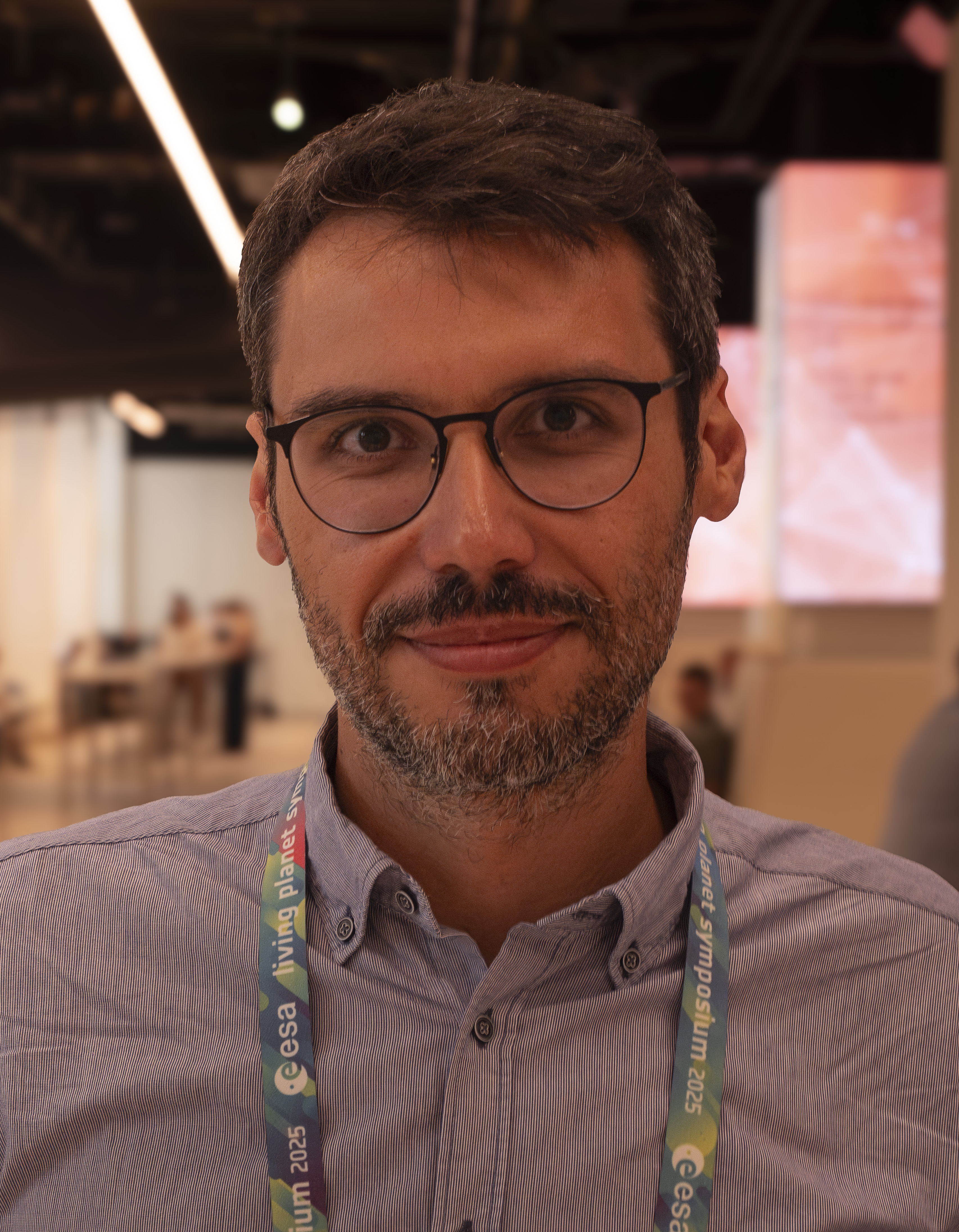
Dr. Gert-Jan Steeneveld is associate professor in meteorology at Wageningen University (The Netherlands), with a research focus on urban microclimate. He is in charge of the Amsterdam Atmospheric Monitoring Supersite, an urban climate network that measures the outdoor weather in Amsterdam since 2014, including turbulent fluxes of heat, moisture and CO2. These observations are also complemented by indoor climate observations. Moreover his research team uses crowdsourcing and citizen science approaches to enrich the monitoring in urban areas. Research efforts on modelling uses the WRF model for the mesoscale and hectometric scale, the Envimet and PALM4U models for the microscales. Recently his research group started machine learning approaches on open source streetview images to characterize the urban form. At his university he contributes to the course in Climate responsive planning and design to bridge meteorology and landscape architecture. Moreover he is also PI at the AMS-Institute in Amsterdam to bridge science and policy, Co-Editor in Chief of the Journal of the European Meteorological Society, and was the co-host of the 12th International Conference on Urban Climate.
Lara van der Linden is a PhD student at the Bochum Urban Climate Lab. Within her PhD work she focuses on numerical microscale modelling of thermal conditions at street level with the PALM model and model evaluation with crowdsourced air temperature data. Due to her background in geography her work furthermore focuses on the geodata required for the modelling process and how their quality impacts the modelling results.
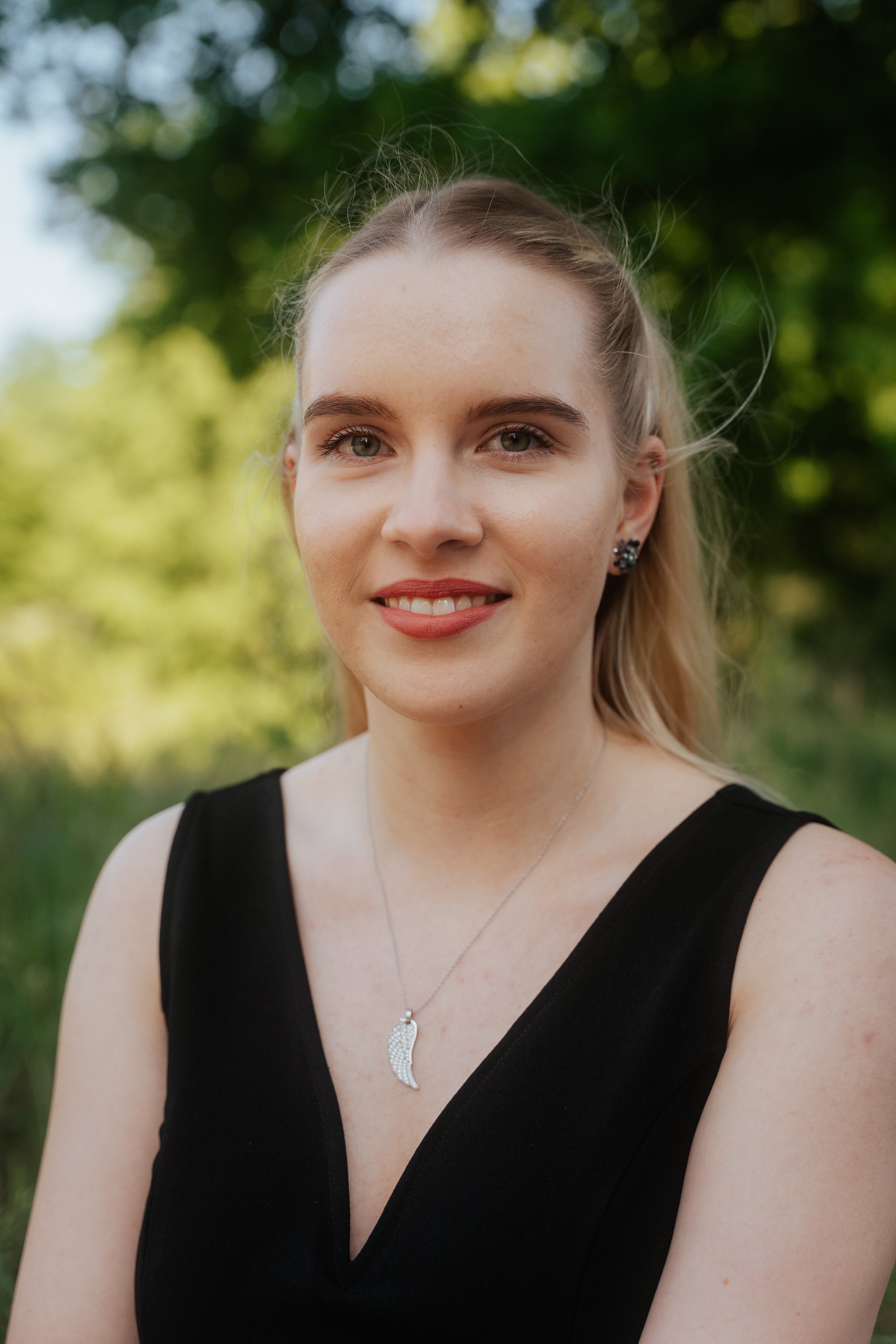
Jonas Kittner is a PhD student at Ruhr University Bochum, specializing in Urban Climate Informatics. His research focuses on the Crowdsourcing of smart-home weather data and the development of a global, quality-controlled database of crowd-sourced weather station data. Jonas investigates the challenges and potential applications of These datasets, particularly in complex urban environments, to study phenomena such as mesoscale urban effects, including urban heat advection.
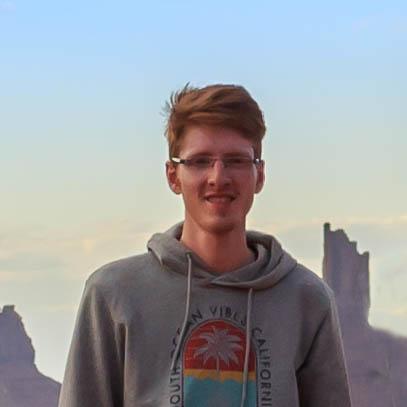
Luise Wolf is a research associate in the Bochum Urban Climate Lab at Ruhr University Bochum (RUB). With a background in computer science, her work focuses on applying data science and AI methods in urban climate research. She specializes in modeling urban heat and data-driven thermal comfort analysis, lately by developing an automated, high-resolution, now-casting service at city-scale.
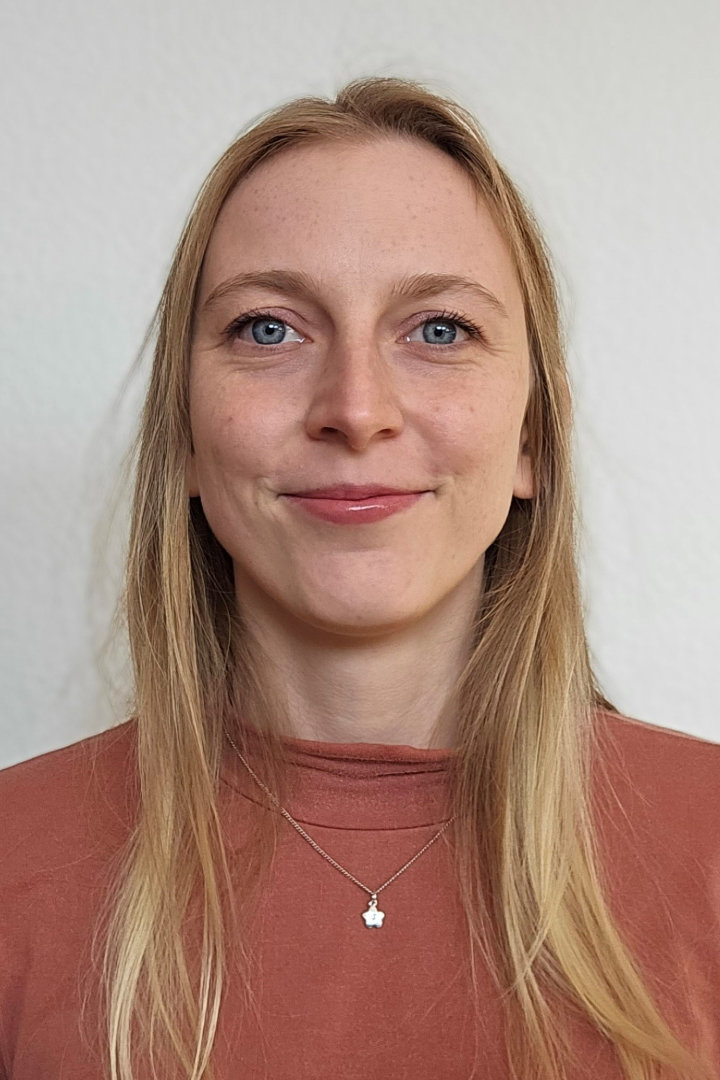
Sara Top is a postdoctoral researcher in the Atmospheric Physics group at Ghent University (Belgium). Her work focuses on developing cost-effective modeling techniques, including machine learning, to produce high-resolution climate data over cities. She earned her PhD in Atmospheric Physics at Ghent University for analyzing future climate and outdoor thermal comfort scenarios over Eurasia using the physics-based ALARO model. During her doctoral research, she co-developed the regional urban meteorological network VLINDER which was established in collaboration with secondary schools. Throughout her career, Sara has evaluated model simulations with (urban) observations, leading to contributions in the development of the MetObs-toolkit, a Python package for quality control and gap-filling of urban meteorological data. She is passionate about science communication and outreach, exemplified by her co-creation of the LEGO Urban Climate Game. As a co-founder of the AI4UrbanClimate Community, Sara strives to advance, coordinate and accelerate research that focusses on machine learning and AI for urban climate applications.
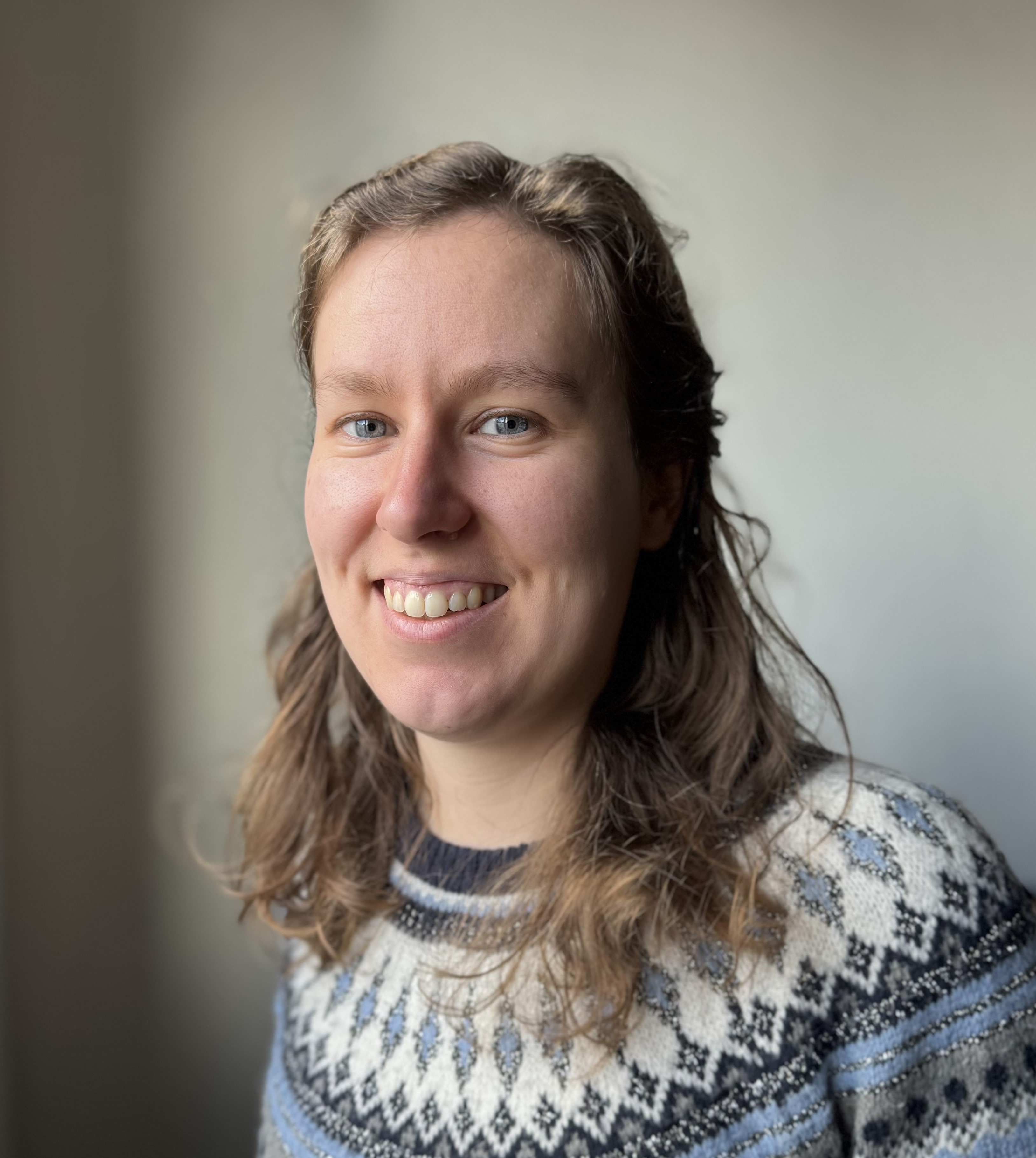
Charles Pierce is a PhD student in the Urban Climate subgroup of the University of Bern (Switzerland). His research focuses on modeling heat stress for European cities as part of the EU Horizon healthRiskADAPT project. This involves downscaling heat stress relevant variables coupling machine learning approaches, physical representations and in-situ observations. Owing to a background in mechanical engineering and computational fluid dynamics, he is also interested in urban wind modeling.

Copyright © Geographical Institute 2026
Last update: Sep 03, 2026