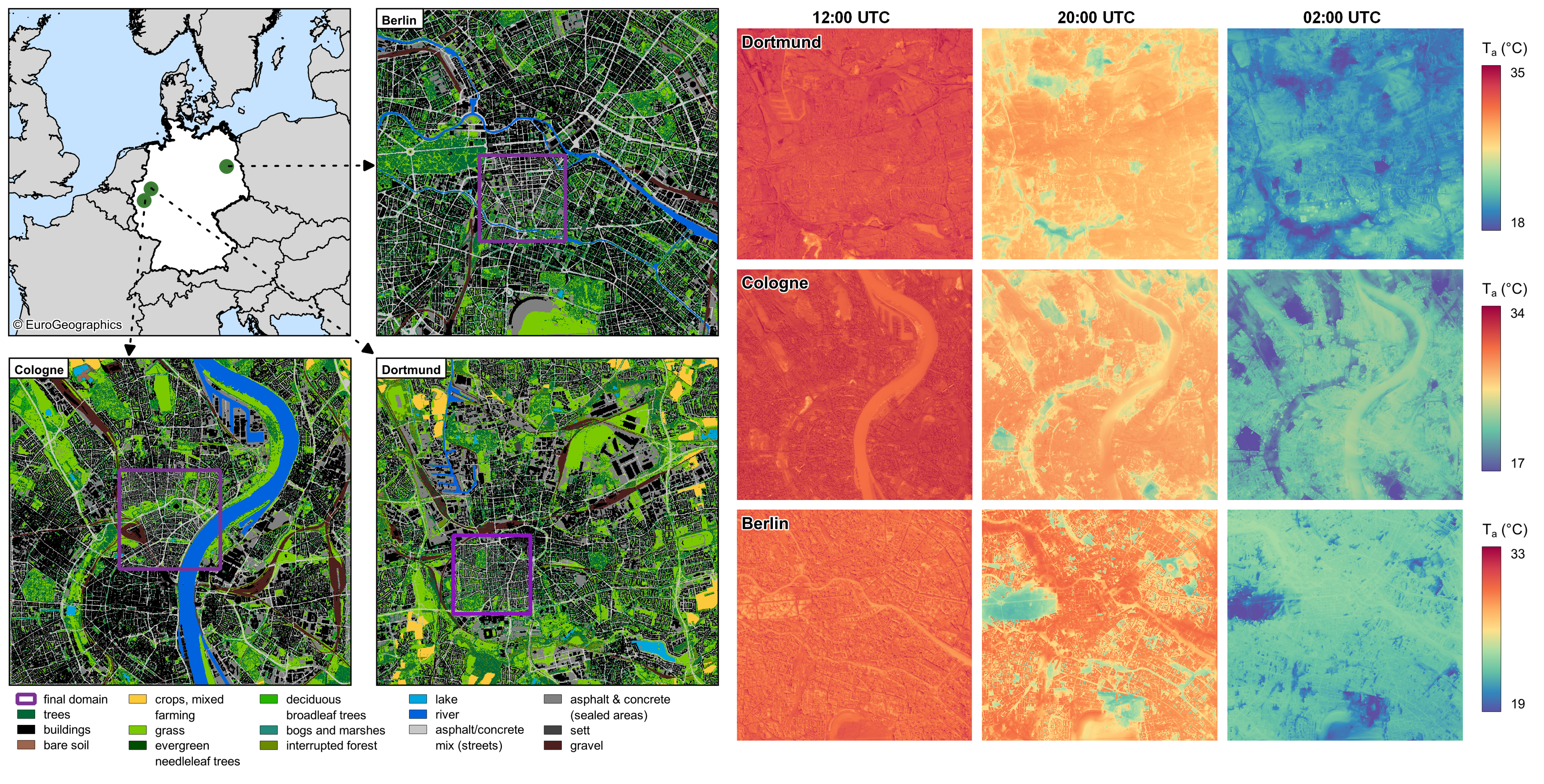
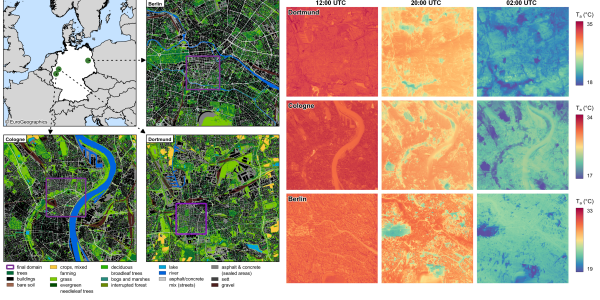
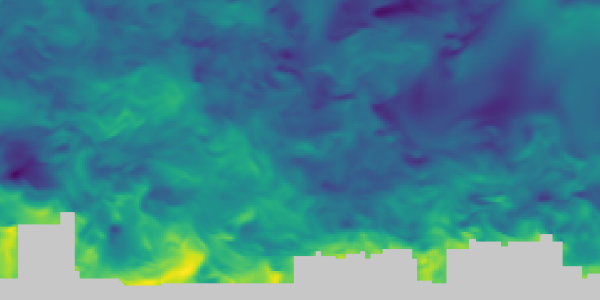
This course is an elective modelling course within the module Measuring and Modelling II. It introduces fundamental concepts of numerical modelling using a practical application example from the field of climate modelling.
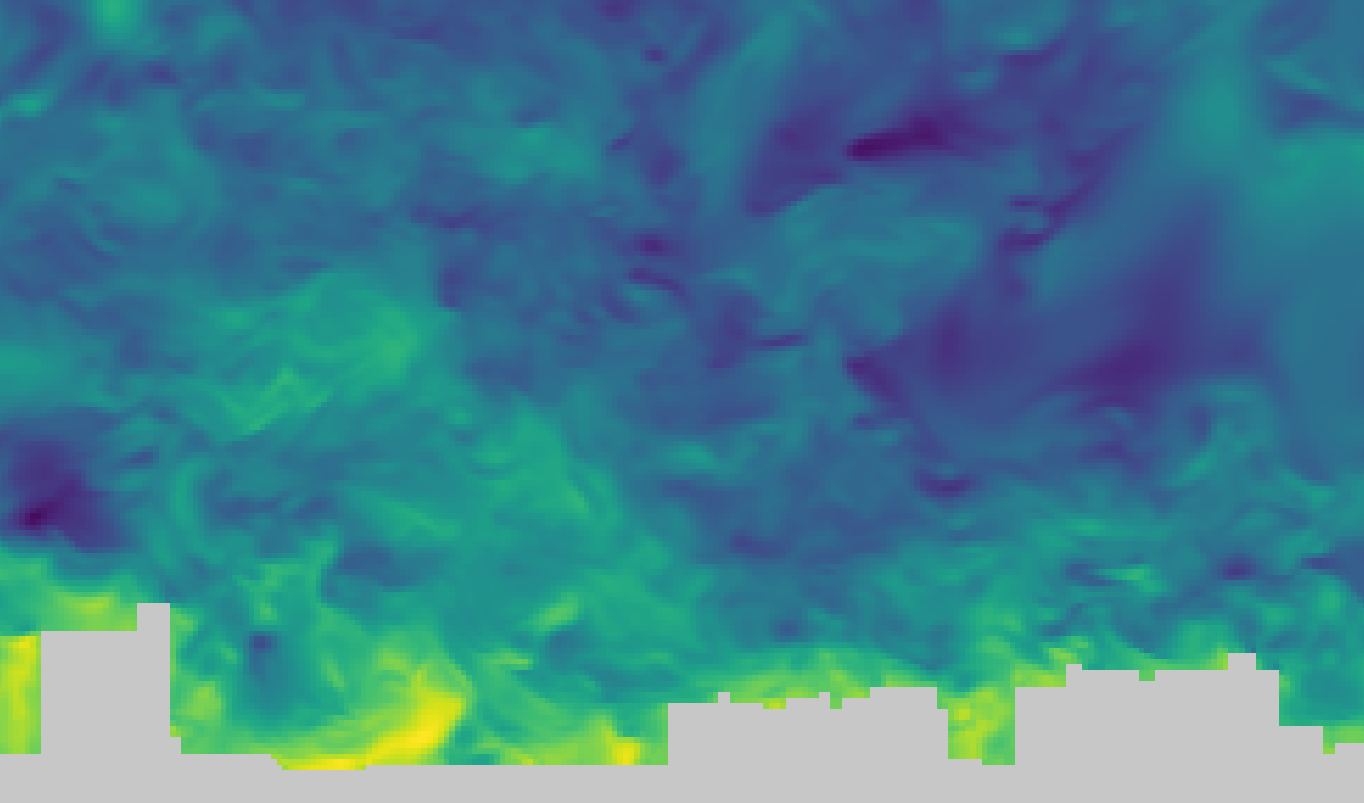
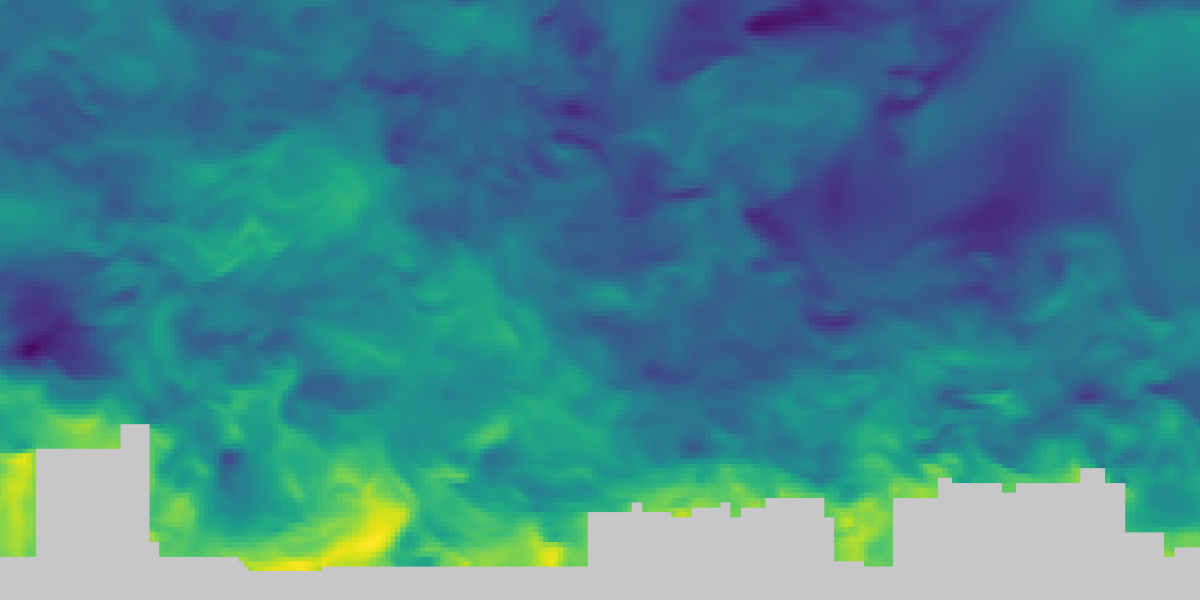
Using the microscale atmospheric model PALM as an example, the course covers key aspects of numerical modelling. The course is designed as an interactive seminar. In addition to short theoretical units on modelling concepts and PALM modules, the main focus lies on the practical use of the model and the resulting datasets. At the end of the course, students complete an individual final assignment in which they reproduce modelling steps and critically evaluate the results.
Course contents include:
The course is one of several selectable modelling applications within the module. Its objective is to develop transferable modelling skills and to provide a well-founded understanding of the capabilities and limitations of numerical models.

Copyright © Geographical Institute 2026
Last update: Jun 08, 2026